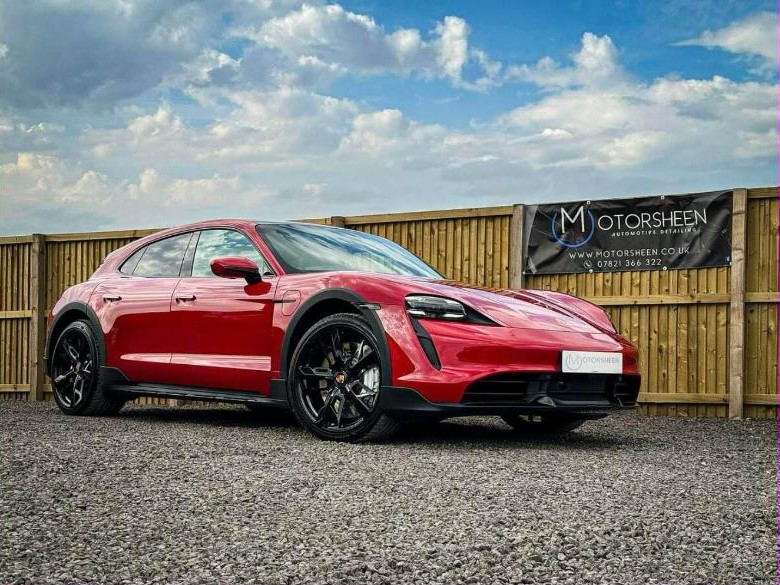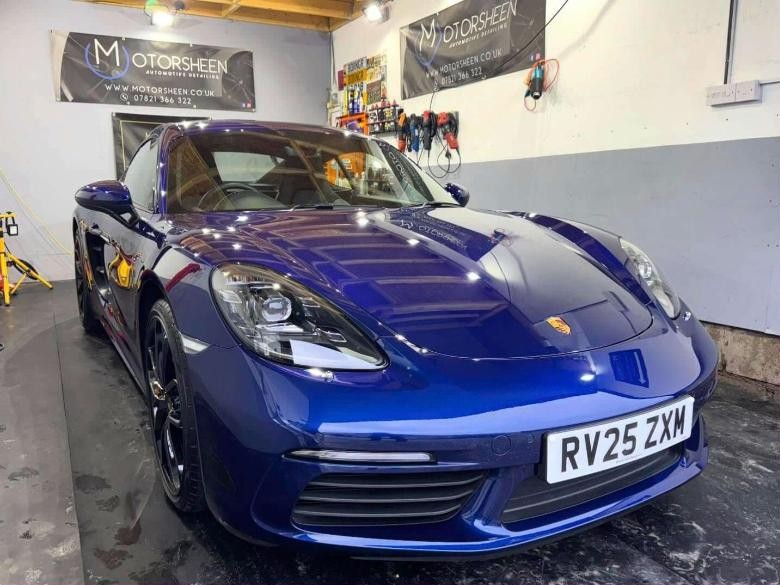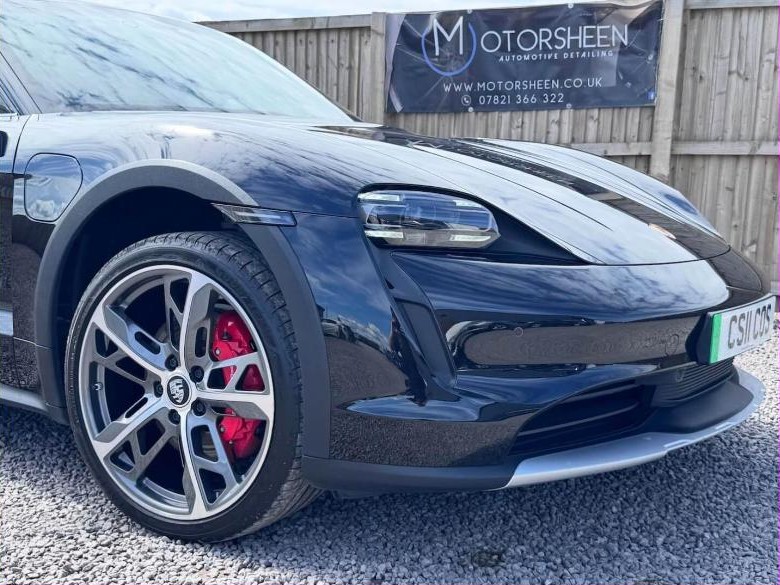
Car wax has been the go to paint protection for generations, and plenty of car owners still love the ritual of waxing on a Sunday morning. Ceramic coatings promise far better durability, but at a higher upfront cost. So in the ceramic coating vs wax debate, which really comes out on top? Here we compare the two honestly, based on what we see on cars every day at our detailing workshop in Larkhall, near Glasgow.
What is car wax?
Car wax is a soft layer of protection that sits on top of the paintwork. Traditional waxes are based on carnauba, a natural wax from the leaves of a Brazilian palm, blended with oils and resins. Synthetic waxes use polymers instead. A good wax fills tiny imperfections in the clear coat, adds warmth and depth to the colour, and makes water bead off the surface.
What wax offers in looks, it lacks in staying power. It is not bonded to the paint, it has a low melting point and it is broken down by detergents, so the protection fades quickly. On a car used every day in the UK, most waxed cars lose their beading within a few weeks.
What is a ceramic coating?
A ceramic coating is a liquid polymer, usually based on silicon dioxide (SiO2), that chemically bonds with the clear coat as it cures. Once cured, it forms a hard, thin, transparent layer that is far more durable than any wax. Many professional coatings are rated 9H on the pencil hardness scale, and they are highly hydrophobic, so water, dirt and grime struggle to stick to the surface.
Because the coating locks onto the paint, it is not washed away by shampoo, rain or road salt. That is why a professional ceramic coating can last years rather than weeks.
Ceramic coating vs wax: side by side
| Ceramic coating | Car wax | |
|---|---|---|
| How long it lasts | 1 to 5 years | 4 to 12 weeks |
| Level of protection | Hard, bonded layer, resistant from pH2 to pH12 | Soft layer that wax degrades quickly |
| Gloss | Sharp, glassy, reflective finish | Warm, deep shine |
| Water behaviour | Strong beading and sheeting for years | Good beading that fades within weeks |
| Washing | Dirt releases easily, faster washes | Needs reapplying every few weeks |
| Upfront cost | Higher, mostly skilled labour | Low |
| Application | Best applied professionally after paint correction | Easy to apply at home |
Which lasts longer, wax or ceramic coating?
This is where ceramic coating is the clear winner. Even a good wax will usually only last a few weeks to a couple of months on a daily driver in Scotland, especially through winter when road salt, grit and traffic film attack it. A professional ceramic coating can last anywhere from one to five years with the right care. Our guide to how often you should ceramic coat your car explains realistic lifespans in more detail.
Which gives better paint protection?
A ceramic coating offers much stronger car paint protection against the things that damage paint in the real world: bird droppings, tree sap, insect remains, acid rain, road salt and UV fading. These contaminants can etch into the clear coat if they are left to sit. Because a coating is chemically resistant across a wide pH range, it gives you more time to remove them safely, and it copes with stronger cleaning products without being stripped away.
Wax gives a light layer of protection, but it is soft, it does not like heat and it is removed by detergents. If you choose wax, you need to wax every few weeks to keep the protection in place.
It is worth being clear that neither wax nor a coating will stop stone chips, keying or a deep scratch. A coating does help resist the light marring caused by washing, but for real physical protection, paint protection film is the right product.
Which looks better, ceramic or wax?
This is more a matter of taste. Many enthusiasts love the warm, deep shine that a carnauba wax gives, particularly on darker colours and classic cars. That is why you still see wax used on plenty of cars at a car show. A ceramic coating gives a crisp, glassy, glossy shine that makes metallic and pearl paints really pop, and it keeps that gloss for far longer.
Both look their best on paint that has been properly decontaminated and machine polished first. Neither product will hide heavy swirl marks. In fact, the coating locks in whatever is underneath it, which is why paint correction is such an important part of any professional ceramic application.
Which is easier to apply and maintain?
Wax is easy to apply at home. You spread a thin layer by hand, let it haze and buff it off. The downside is that you need to repeat the job regularly. A ceramic coating is more demanding to apply. The paint has to be washed, decontaminated, polished and wiped down with a panel wipe so the coating can bond properly, and the coating has to be levelled carefully before it flashes. That is why most owners have it applied by a professional ceramic installer.
Once it is on, a coated car is far easier to maintain. Dirt and salt release much more easily, the car dries faster and water spots are easier to remove. Maintenance is simply a safe hand wash every couple of weeks and a ceramic booster spray every few months.
Is ceramic coating more expensive than wax?
Upfront, yes. A tin of good wax costs a fraction of a professional coating, and you can apply it yourself. A ceramic coating costs more because of the preparation and paint correction involved. Coatings rated to last five years or more usually sit at the top end of UK pricing once multi-stage correction is included. At Motorsheen, Enhancement Detailing with an Angelwax ceramic coating starts from £395, and Multi-Stage Paint Correction with a coating starts from £495.
Is ceramic coating more cost effective in the long run?
For many owners, yes. Waxing properly every month or two takes hours of your time, or the cost of repeat professional details. A coating protects for years with only simple maintenance washes in between. Over the life of a car you plan to keep, the gap in cost narrows a lot, and you get better durability and protection all year round.
What are the disadvantages of ceramic coating?
- A higher upfront cost than wax or a sealant.
- It must be applied to clean, corrected paint, so preparation takes time.
- It will not stop stone chips or deep scratches.
- It still needs regular, gentle washing. Brush car washes will shorten its life.
- Hard water left to dry on the surface can still leave water spots.
- Removing it fully means machine polishing, so it is not something to change on a whim.
If you want to know whether those trade offs are worth it for you, read our guide on whether ceramic coating is worth it in the UK.
Where do sealants and ceramic sprays fit in?
Between wax and a full coating sit paint sealants, spray sealants and ceramic spray products, sometimes sold as ceramic wax. These are synthetic, they are easy to apply, and they usually last longer than a natural wax, typically a few months. They are a good choice if you want more durability than wax without the cost of a full coating, but they are much thinner than a genuine ceramic coating and do not last for years.
Our Nano Spray Sealant upgrade, for example, beads and sheets water for up to six months. For winter, our Wintersheen packages give a tough shell of protection against road salt without the commitment of a full coating.
Can you wax your car if it has a ceramic coating?
You can put wax on top of a ceramic coating, but we would not usually recommend it. The wax sits on top of the coated car and hides the slick, hydrophobic behaviour of the coating until the wax wears off, so you lose the benefits you paid for. If you want to refresh a coating, a ceramic booster or detail spray made for coatings is the better choice.
Should you wax before applying a ceramic coating?
No. Applying a ceramic coating over wax stops it from bonding to the clear coat. Any old wax or sealant must be removed with decontamination, polishing and a panel wipe before the coating goes on.
Who is wax best for, and who is a coating best for?
Choose wax if
- You enjoy frequent detailing and see waxing as part of the hobby.
- You own a classic or a weekend car that rarely sees bad weather.
- You want a low cost, short term shine, for example before selling the car.
Choose a ceramic coating if
- You use the car all year round, including through Scottish winters.
- You have a brand new car or newly corrected paint you want to keep in that condition.
- You want the car looking glossy with less time spent washing and waxing.
- You plan to keep the car for at least a couple of years.
So, is ceramic coating better than wax?
For most car owners, yes. If you want long-lasting protection, easier washing and a car that stays glossy through UK weather, a ceramic coating is the best protection for your car in the long run. If you enjoy waxing as a hobby, own a classic you love to pamper, or simply want a quick, low cost shine, a good wax still does a great job. The right protection is the one that fits how you use your car.
Frequently asked questions
Is ceramic coating better than wax?
For durability and protection, yes. A coating lasts years, while wax usually lasts weeks. Wax is cheaper and gives a warm glow, so it suits short term or hobby use.
Can I wax over a ceramic coating?
You can, but it hides the hydrophobic properties of the coating. A ceramic booster spray is a better way to maintain a coated car.
How long does ceramic coating last compared to wax?
A professional ceramic coating typically lasts 1 to 5 years, while most car waxes last around 4 to 12 weeks on a daily driver.
Do I still need to wash a ceramic coated car?
Yes. A coating makes washing quicker and easier, but regular gentle hand washing is what keeps it performing.
Motorsheen, Larkhall
Ceramic coating in Glasgow and Lanarkshire
We are an Angelwax accredited installer with over 12 years of experience, working from our workshop in Larkhall and offering mobile detailing across the Glasgow area. Every ceramic coating includes a free paint depth report and a free interior clean.